
Blog
Bank Customer Segmentation

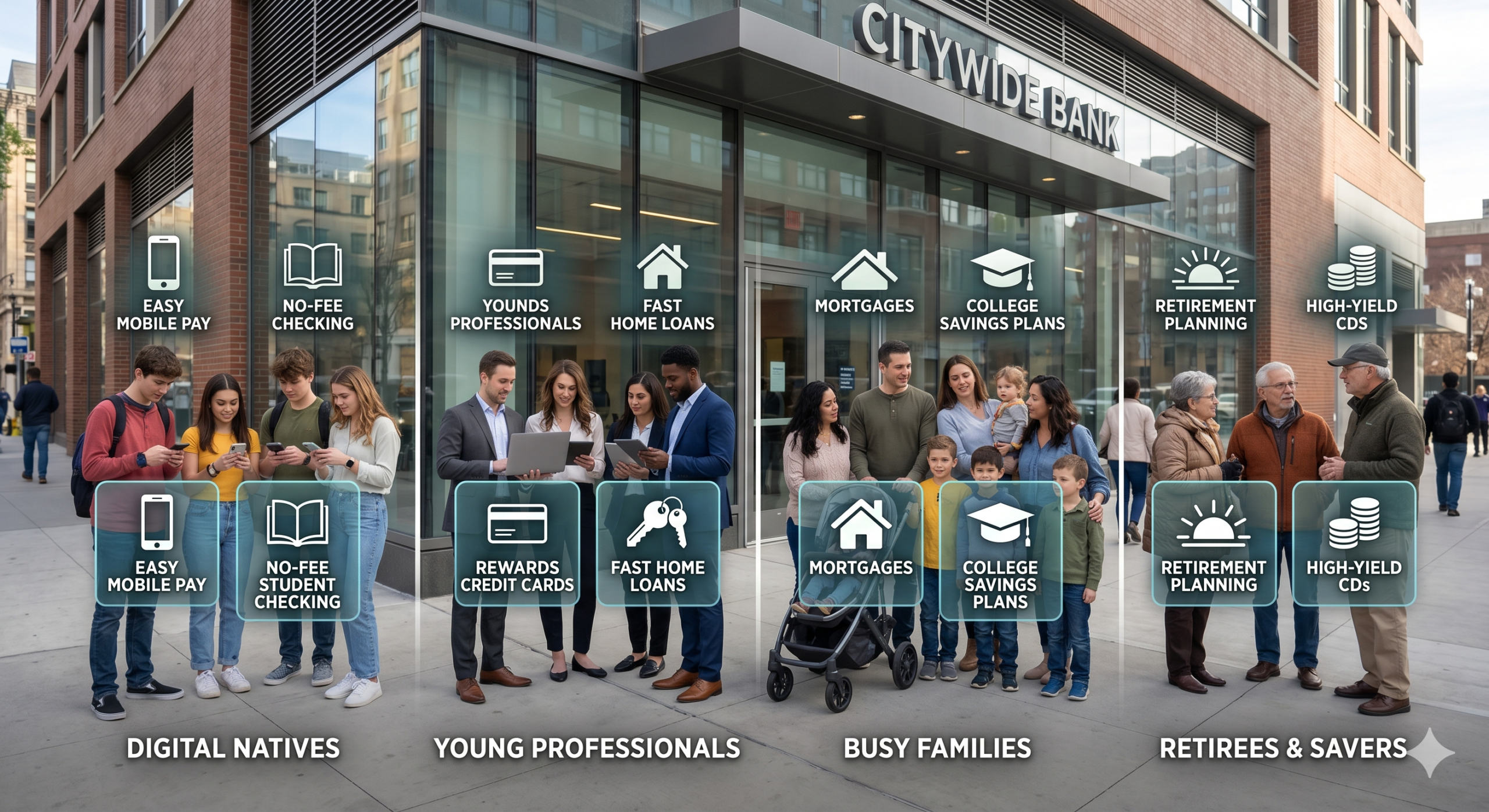
A leading commercial bank in Oman aimed to revamp its premium banking proposition (targeting affluent and emerging affluent segments). Their existing product was losing market share to agile competitors and digital-first banks. The challenge was to move beyond simple demographic segmentation (income/wealth) to understand the nuanced behavioral and psychographic profiles of the Omani affluent market, identify their unmet financial needs, and tailor specific value propositions and service delivery models for distinct segments.
Our Approach
We conducted a comprehensive segmentation study. We began with qualitative research, conducting 30 ethnographic interviews and focus groups with current premium banking customers and competitor clients to uncover deep-seated attitudes towards wealth, investment risk, digital banking, and lifestyle aspirations. This informed a large-scale quantitative survey of 1000 affluent Omanis. We utilized K-means cluster analysis on the survey data, incorporating behavioral variables (transaction frequency, channel preference, product holding) and psychographic variables (financial goals, risk appetite, lifestyle preferences) to identify distinct, actionable customer segments.
Outcome
The cluster analysis revealed four distinct segments, moving away from traditional wealth tiers: “Digital Wealth Builders” (young, tech-savvy, investment-focused), “Traditional Preservers” (older, relationship-driven, risk-averse), “Lifestyle Maximizers” (high spenders, travel-focused, seeking exclusive perks), and “Business Integrators” (SME owners blending personal and business banking). We developed detailed personas for each segment and mapped their distinct customer journeys. The bank used these insights to completely restructure its premium offering, introducing a dedicated digital investment platform for the “Wealth Builders” and a curated lifestyle concierge service for the “Maximizers.” This targeted approach led to a 15% increase in new premium account acquisitions and a 10% increase in product cross-holdings within the first year.